Best SEO Tools for High-Quality Link Building
Ask ten SEO professionals which single factor matters most for rankings, and backlinks will come up in at least eight of those conversations. Yet backlinks are also one of the most misunderstood parts of SEO — treated by some as a numbers game ("more links, better rankings") and dismissed by others as an outdated relic of early Google. Neither view holds up well in 2026. Understanding what actually makes a backlink valuable, and using the right tools to find real opportunities, is still one of the highest-leverage things a website owner can do.
The Mechanics of Link Building
What a Backlink Actually Signals to Google
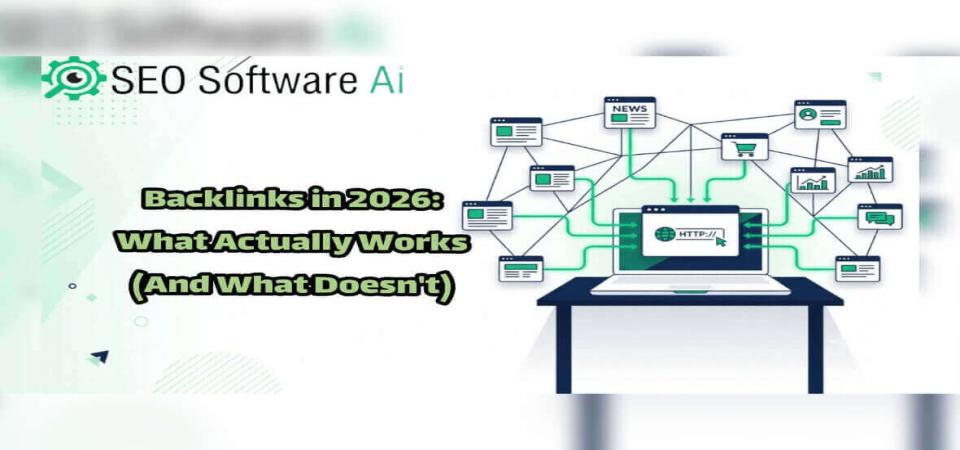
A backlink is, at its simplest, one website linking to another. But the reason it matters for rankings isn't the link itself — it's what the link represents. When a reputable, relevant website links to your page, it's effectively vouching for it: telling Google's crawlers "this content is worth sending readers to." A single link from a well-established, topically relevant site can carry more weight than dozens of links from low-quality or unrelated sources.
This is why the old approach of mass-submitting a site to hundreds of directories, or buying bulk link packages, has stopped working — and can actively hurt a site if Google's spam systems flag the pattern. Quality, relevance, and context now matter far more than raw quantity.
What Makes a Backlink "High Quality"
A handful of factors consistently separate valuable links from worthless ones:
- Relevance: A link from a site covering a related topic carries more weight than one from a completely unrelated niche.
- Authority: Links from established, trusted domains pass more value than links from brand-new or low-trust sites.
- Placement: A link naturally placed within the body of an article, surrounded by relevant text, is worth more than one buried in a sidebar or footer.
- Anchor text: The clickable text of the link should read naturally and describe what the destination page is about, without being awkwardly stuffed with exact-match keywords.
- Follow status: "Dofollow" links pass ranking value directly; "nofollow" links don't pass that value in the same way, though they can still drive real traffic and brand visibility.
Analysis and Discovery
How to Find Out Who's Already Linking to You
Before building anything new, start by understanding your current backlink profile. A backlink analysis tool will show you every known link pointing to your domain, which pages on your site attract the most links, and the overall authority of the domains linking to you.
This first step often surfaces two useful findings: links you didn't know you had (sometimes from press mentions or unsolicited references), and toxic or spammy links that may be worth formally disavowing through Google Search Console to prevent them from dragging down your site's trust.
Studying Competitor Backlinks for Real Opportunities
One of the most efficient ways to find link-building opportunities isn't to guess — it's to look at where your competitors are already getting linked from, then evaluate whether those same sources would plausibly link to you too. If three competing sites in your niche are all linked from the same industry roundup or resource page, that page is very likely open to adding one more relevant link, and reaching out to it is a much warmer approach than cold outreach to a random site with no context.
Execution and Outreach Strategies
Content That Naturally Attracts Links
The most sustainable link-building strategy isn't outreach at all — it's creating something genuinely worth linking to. Content types that tend to earn links organically include original research or data that nobody else has published, comprehensive guides that fully answer a complex question in one place, and free tools or calculators that solve a specific, recurring problem for your audience.
This last category matters directly for a site like this one: a genuinely useful SEO or webmaster tool is, by its nature, the kind of resource other sites reference and link to without ever being asked.
Outreach: Doing It Without It Feeling Transactional
When you do reach out to ask for a link, the pitches that work share a common trait: they lead with value to the recipient, not a request. Pointing out a broken link on their site and offering your relevant page as a replacement, or referencing something specific in their existing content and explaining exactly why your resource adds to it, will consistently outperform generic "please link to my site" messages that get deleted within seconds.
Guest Posting, Done Correctly
Guest posting still works in 2026, but only when approached with genuine care. Writing a solid, original piece for a site that already reaches your target audience — rather than a mass-produced article submitted to dozens of low-quality blogs simultaneously — is what separates a link that helps your site from one that a future Google update might penalize.
Measurement and Action Plan
Measuring Whether Your Link-Building Efforts Are Working
It's easy to treat link building as an activity measured by effort ("we sent 50 outreach emails this month") rather than outcome. The metrics that actually matter are the number of new referring domains gained over time, not just raw link count, improvements in rankings for pages that received new links, and referral traffic actually arriving through those links, which confirms real humans are finding and clicking them.
A Realistic Monthly Approach
For most small to mid-sized sites, a sustainable link-building rhythm looks something like this: run a full backlink audit monthly to catch new links and flag anything toxic, spend a portion of that time studying what's currently working for two or three direct competitors, and prioritize creating one genuinely link-worthy piece of content per month over sending dozens of low-effort outreach emails.
The Bottom Line
Backlinks remain a core ranking signal in 2026, but the game has shifted decisively from volume to relevance and genuine value. A handful of well-placed links from respected, topically relevant sources will consistently outperform hundreds of low-quality ones — and the safest, most durable way to earn them is still to build something worth linking to in the first place.